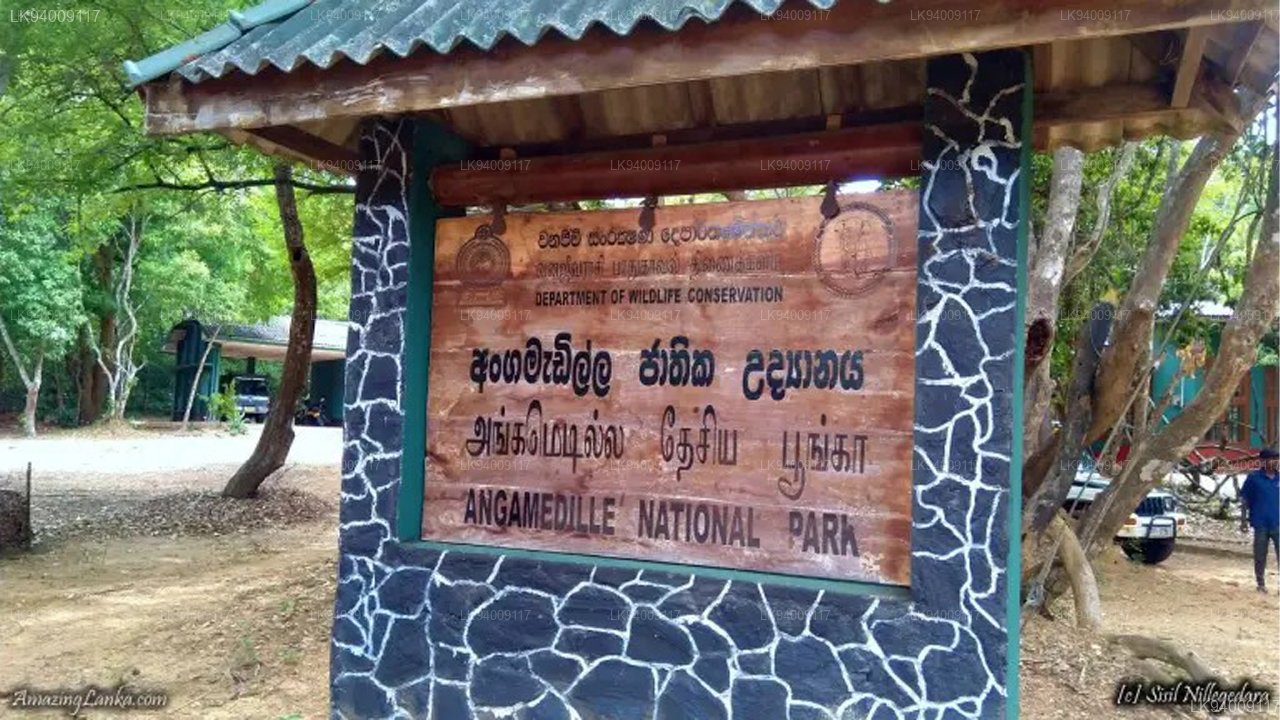
Angammedilla National Park

Angammedilla National Park Angammedilla National Park Angammedilla National Park
Angammedilla National Park is one of the new national parks in Sri Lanka. The region was designated national park on 6 June 2006. Originally Angammedilla was a forest reserve within the Minneriya-Girithale Sanctuary declared on 12 February 1988. The park is declared mainly to protect the drainage basin of Parakrama Samudra. Angammedilla also secures the drainage basins of Minneriya and Girithale irrigation tanks, water sources in Sudu Kanda (White hill) and habitats and wildlife of the adjacent forests. It is located 225 kilometres (140 mi) away from Colombo in Polonnaruwa District.

Physical features

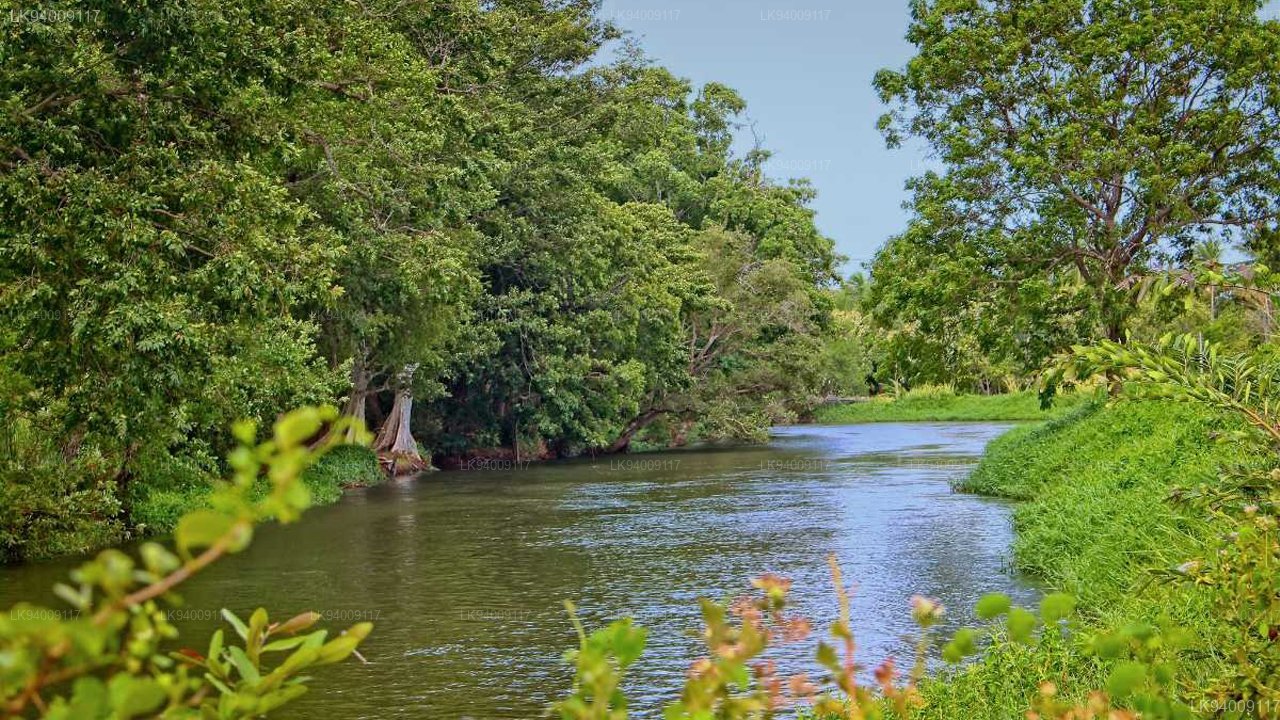
Amban river which is sourced by Sudu Kanda forms the southern border of the park. A mountain range stretches across the park from Girithale to Minneriya. In the drought period the park is very dry. In the rainy season, mountainous area receives more rainfall than the plains. Since a mix wet and dry climate persists in the park the vegetation is a mix of wet zone and dry zone plants.

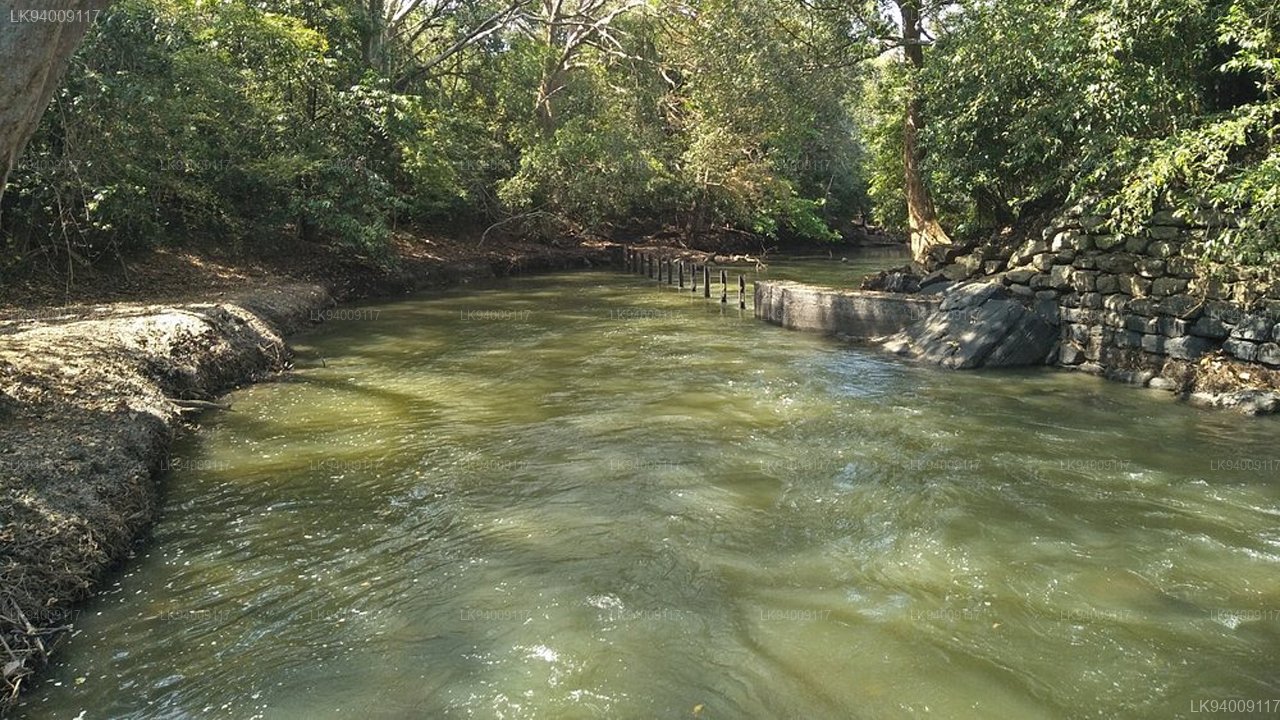
In the ancient times water has irrigated from Amban river to Parakrama Samudra in a canal done in stone. The rocky wall of the canal called royal wall by the villagers.

Flora and fauna

The vegetation of the park is predominantly dry evergreen forests. Diospyros ebenum is one of the dominant plant species in the forest. Manilkara hexandra (Palu), Cholorocylon swetenia (Burutha), Vitex pinnata (Milla), and Adina cordifolia (Kolon) are common in natural vegetation.

Mesua ferrea trees are grown in communities.

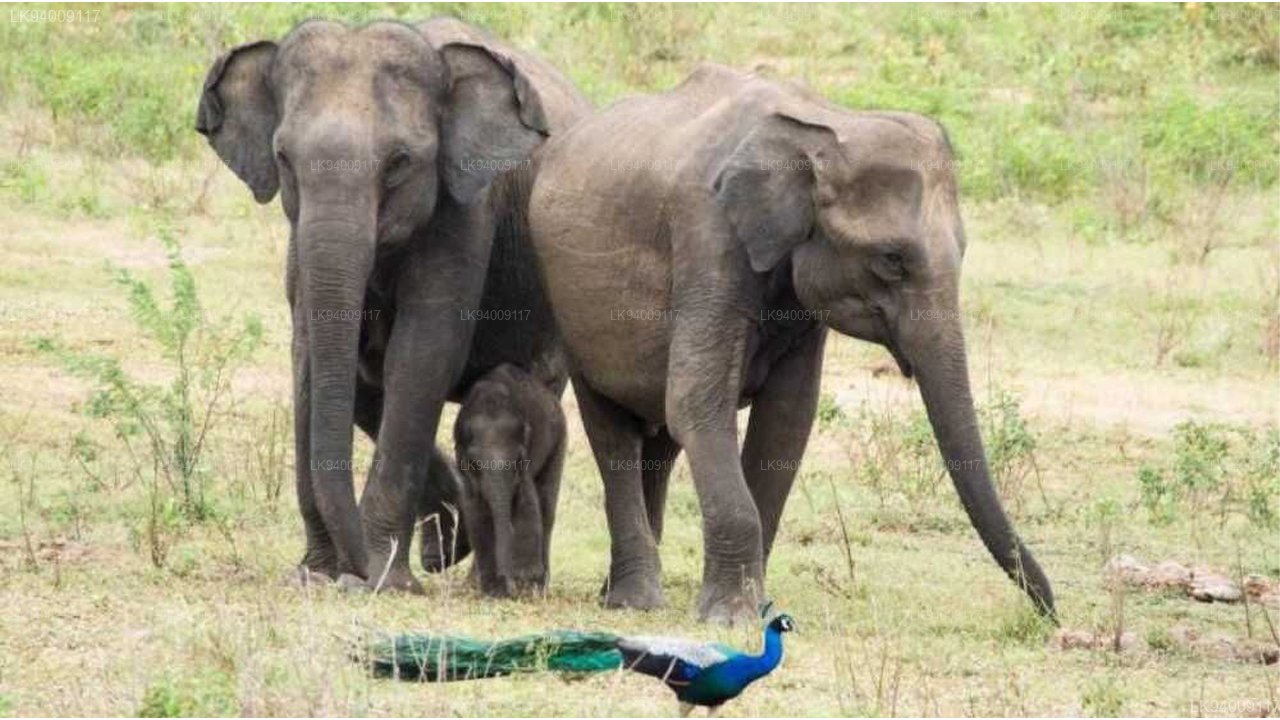
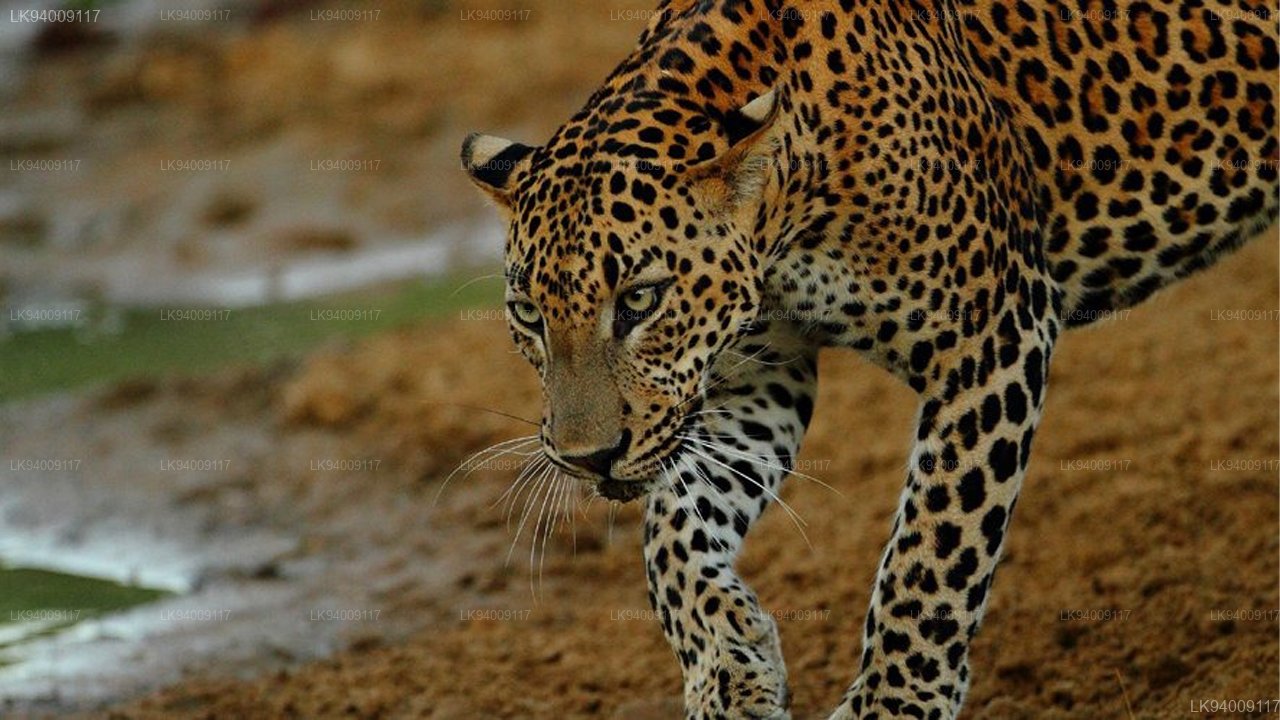
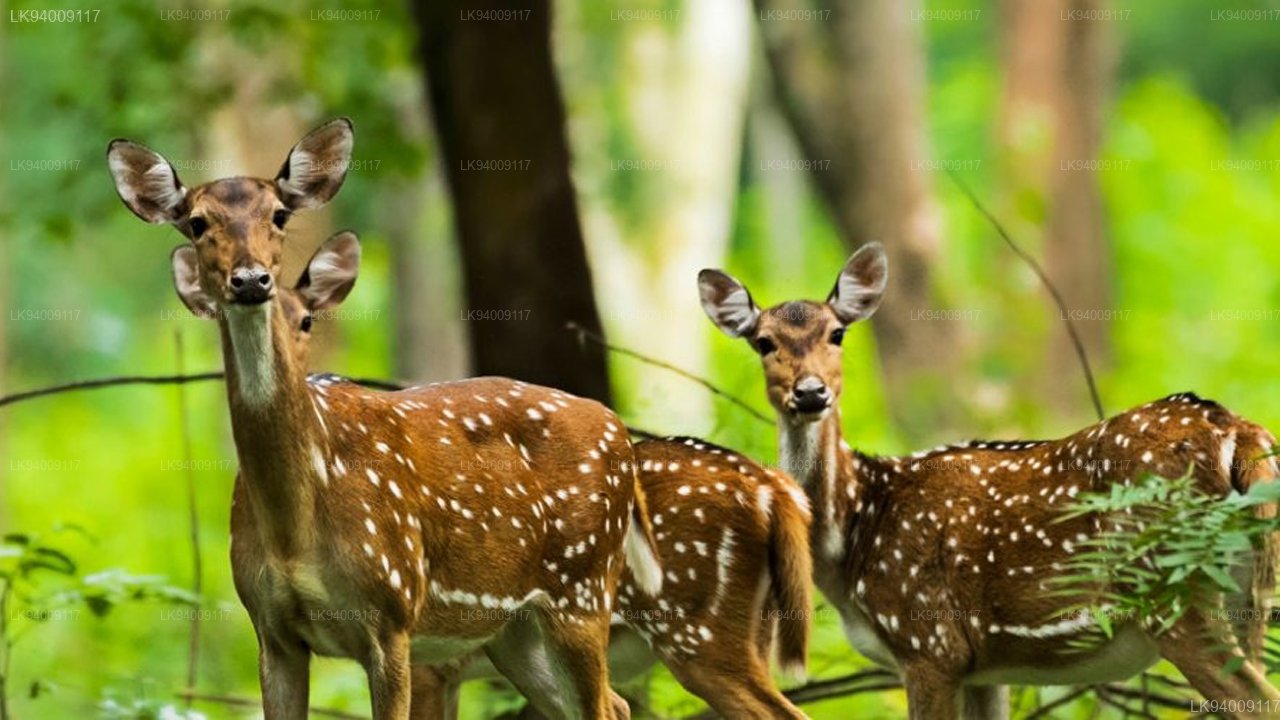
Sri Lankan elephant, Sri Lankan sambar deer, Indian muntjac, Sri Lankan axis deer, water buffalo, wild boar, and peafowl are common within the park. However Sri Lanka leopard, sloth bear, grizzled giant squirrel and Sri Lanka junglefowl are sometimes seen. The primate species red slender loris, tufted gray langur, and purple-faced langur are seen also.
Angammedilla National Park Angammedilla National Park Angammedilla National Park
?LK94009117: Text by Lakpuraâ„¢. Images by Google, copyright(s) reserved by original authors.?

Over het district Polonnaruwa

Polonnaruwa is de op één na grootste stad in de noord-centrale provincie van Sri Lanka. De oude stad Polonnaruwa is door UNESCO uitgeroepen tot Werelderfgoed. Polonnaruwa heeft een rijke geschiedenis van veroveringen en strijd achter de rug en vormt terecht het derde element in de Culturele Driehoek. Gelegen op ongeveer 140 km ten noordoosten van Kandy, biedt Polonnaruwa urenlang eindeloos plezier voor liefhebbers van geschiedenis en cultuur, met talloze bezienswaardigheden van betekenis.

Much of the physical ruins standing today are credited to King Parakrama Bahu I who spent many royal resources on town planning, including parks, edifices, irrigation systems and so on. The period of his rule is considered a golden age where the kingdom thrived and prospered under a visionary ruler. The Parakrama Samudra is a mammoth tank and named after its patron. The popular kings Royal Palace, the Audience Hall encircled by beautifully carved stone elephants and the Bathing Pool reflect the superior engineering capabilities of the time.

Over Noord-Centrale Provincie

De Noord-Centrale Provincie, de grootste provincie van het land, beslaat 16% van het totale landoppervlak. De Noord-Centrale Provincie bestaat uit twee districten: Polonnaruwa en Anuradhapure. Anuradhapura is het grootste district van Sri Lanka. De oppervlakte bedraagt ​​7.128 km².

De Noord-Centrale Provincie biedt talloze mogelijkheden voor investeerders om hun bedrijf te starten, met name in de landbouw, agrarische bedrijven en de veehouderij. Meer dan 65% van de bevolking van de Noord-Centrale Provincie is afhankelijk van basislandbouw en agrarische bedrijven. De NCP wordt ook wel "Wew Bendi Rajje" genoemd, omdat er meer dan 3000 middelgrote en grote tanks in de provincie staan. Sri Maha Bodiya, Ruwanweli Seya, Thuparama Dageba, het Abayagiri-klooster, Polonnaruwa Rankot Wehera en Lankathilake zijn bang.